Safety Guide · London
Solo Female Travel in London: A Practical Safety Guide
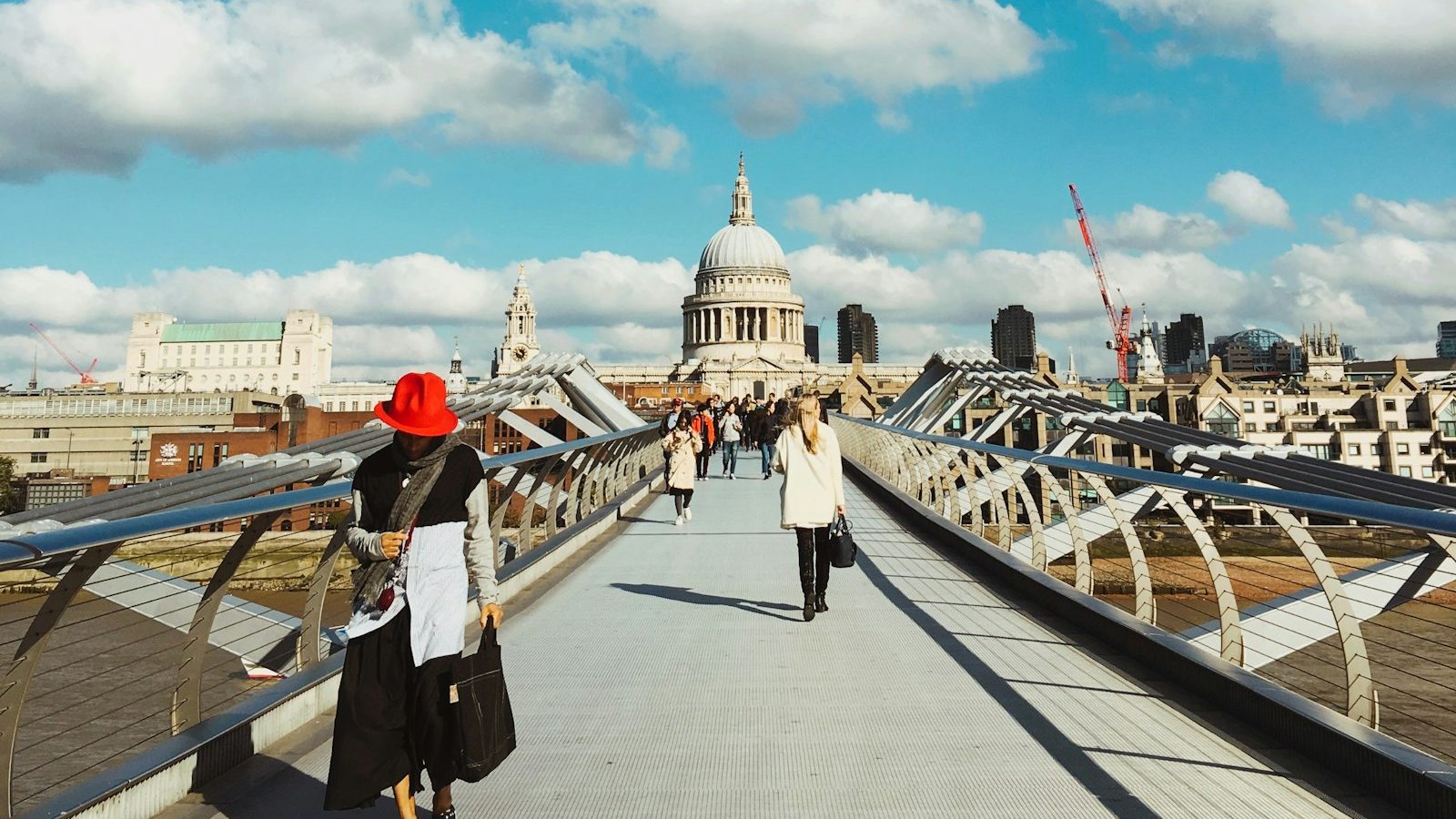
London is one of the easiest big cities in the world to travel solo as a woman — busy streets late into the evening, transport that runs all night at weekends, and a hostel scene built around meeting people rather than hiding in your room. Still, feeling safe is mostly about small, boring decisions made in advance: which area you sleep in, how you get home after 11pm, and whether the front desk is staffed when you arrive at 2am. Here is what actually matters.
Choose a female-only dorm (and know what to ask)
A female-only dorm is the single biggest comfort upgrade for a solo traveller, and it costs the same or barely more than a mixed room. All four Smart Hostels have female-only dorms you can book directly, so you are never gambling on availability when you turn up.
Before you book anywhere, check three things: is the dorm genuinely female-only (not "usually"), is reception staffed 24/7, and does every bed have its own lockable locker. If a listing is vague about any of them, book somewhere else — there is no shortage of hostels in London.
- · Female-only dorms bookable in advance, not on request
- · 24/7 staffed reception and key-card access to floors and rooms
- · Individual lockers at every bed (bring or buy a padlock)
- · Lit, overlooked entrance on a main road rather than a back alley
Safest areas to stay in central London
"Safe" in London usually means well-lit, busy and well-connected rather than quiet. Bloomsbury is calm, residential and full of students and museum-goers, with King's Cross ten minutes away on foot. Bayswater sits on the north edge of Hyde Park — leafy, international and busy with families and long-stay travellers. Camden is louder and later, brilliant if you want the nightlife, and still well-lit and well-populated on the main routes.
Wherever you stay, walk the last stretch on main roads rather than shortcuts through parks or estates. Hyde Park and Regent's Park are wonderful by day and closed or empty at night — go around, not through.
Getting around at night
The Tube runs until roughly midnight, and the Night Tube and Night Overground run all night on Friday and Saturday on several lines. Night buses run every night, every night of the year. Sit downstairs near the driver if a bus is quiet.
Only use black cabs hailed on the street or a licensed app such as Uber or Bolt — never an unbooked minicab that offers you a ride outside a club. Check the plate and driver photo match the app before you get in, and share your trip with a friend from inside the app.
- · Night buses run 365 nights a year; Night Tube runs Fri/Sat on several lines
- · Black cabs can be hailed anywhere; minicabs must be booked
- · Keep a contactless card or phone charged for fares — walking home to save £3 is the worse trade
- · 999 for emergencies, 101 for non-emergencies, 61016 to text the British Transport Police
Everyday street sense
Phone snatching from mopeds is the most common street crime in central London, and it is opportunistic rather than aimed at you. Don't stand at a kerb navigating with your phone held out; step back against a building or into a shop doorway. Wear bags across your body with the opening facing in, and keep your phone in a zipped pocket on busy tourist streets and the Tube.
In pubs and bars, keep your drink with you or covered, and if anything feels off you can ask staff for "Angela" — a recognised code phrase in many UK venues that tells them to discreetly get you out or into a cab.
Meeting people without over-sharing
The whole point of a hostel is that you arrive alone and stop being alone by dinner. Common rooms, self-catering kitchens and terraces do that work for you — you will end up with a walking-tour group by day two.
Just be a little vague with strangers about your room number, how long you're staying alone, and where exactly you're heading next. Tell one person at home your rough plan for each day, and check in with them once a day. That's the whole system.
Where to stay: our female-friendly hostels
Every Smart Hostel has female-only dorms, 24/7 reception, key-card access, individual lockers and a common room where solo travellers actually meet each other. Book direct and save 15%.
- Smart Russell Square — from £12.00 · 3 min walk to Russell Square (Piccadilly Line)
- Smart Hyde Park Inn — from £10.99 · 2 min walk to Bayswater (Circle & District) & 3 minutes to Queensway Station (Central Line)
- Smart Hyde Park View — from £15.50 · 5 min walk to Queensway (Central Line)
- Smart Camden Inn — from £14.00 · 5 min walk to Camden Town (Northern Line)
Frequently asked questions
- Is London safe for solo female travellers?
- Yes — London is generally very safe for solo female travellers. The main risks are opportunistic phone and bag theft rather than violent crime. Stay in a well-connected central area, use licensed taxis or night buses after midnight, and pick a hostel with female-only dorms and 24/7 reception.
- Are female-only dorms worth it?
- For most solo travellers, yes. They cost roughly the same as a mixed dorm and make sharing a room far more comfortable, especially on the first night in a new city. All Smart Hostels dorms can be booked female-only in advance.
- What is the safest area of London to stay in as a solo woman?
- Bloomsbury and Bayswater are the two calmest, best-lit central areas with strong transport links — Bloomsbury for museums and walking everywhere, Bayswater for Hyde Park and cheaper beds. Camden is livelier and later but perfectly fine on the main routes.
- How do I get back to my hostel late at night?
- Use the Night Tube (Friday and Saturday), a night bus (every night), a black cab hailed on the street, or a licensed app such as Uber or Bolt. Never take an unbooked minicab that approaches you outside a venue.
Share this article
Read next
Best London Neighborhoods for Backpackers (2026 Guide)
Bloomsbury, Camden or Bayswater? Compare transport, nightlife and where to stay.
Free & cheap things to do in London
Museums, markets, parks and more ways to explore London without breaking the bank.

London School Trip Accommodation Guide (2026)
Safe, central hostel stays for school and university groups near the British Museum, Science Museum and Hyde Park.